
Art Therapy for Healing, Self-Expression, and Emotional Processing in Dublin, Pa.
What Is Art Therapy?
Art therapy is a form of psychotherapy that integrates creative expression with emotional healing.
Using materials like drawing, painting, collage, or other creative processes, we create space for thoughts and feelings to be expressed in a way that doesn’t rely only on words.
Sometimes what comes up might surprise you. Sometimes it simply helps you slow down and connect with yourself in a different way.
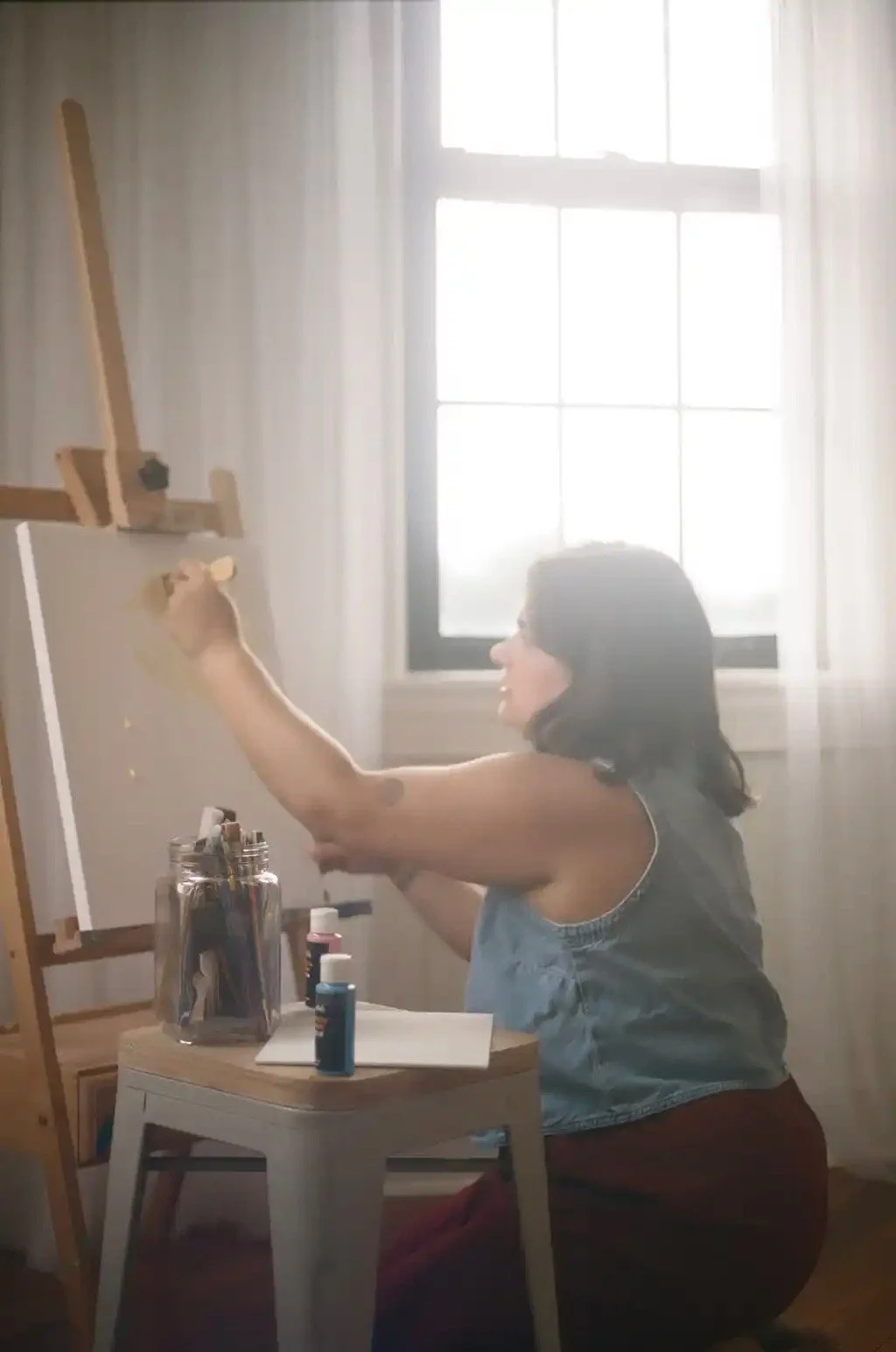
You Don’t Need to Be “Artistic” for This to Work
Art therapy isn’t about being good at art—it’s about giving yourself another way to express, process, and understand what’s happening internally.
If you’ve ever thought:
“I don’t even know how to put this into words”
“Talking about it feels overwhelming or hard to access”
“I feel stuck in my head”
Art therapy can offer a different way in.
How Art Therapy Helps with Anxiety and Trauma
When you’ve experienced anxiety or trauma, your experiences often live beyond just thoughts—they’re felt in the body, emotions, and nervous system.
Art therapy can help you:
Externalize what feels overwhelming internally
Process emotions that feel hard to name
Reduce overthinking and get out of your head
Connect with your body and nervous system
Access deeper insight and self-understanding
Create a sense of calm, grounding, and presence
It’s not about creating something “perfect”—it’s about allowing whatever needs to come up, to come up.
What does an Art Therapy Session look like?
1
We will start session with a check-in, discussing anything that has come up since the last session, or even discuss your therapeutic goals together for the long-term, or for this specific session.
The art-making part of the session can take up the bulk of the session, or sometimes art-making is brief and/or even skipped (and instead do verbal therapy) upon what you need.
2
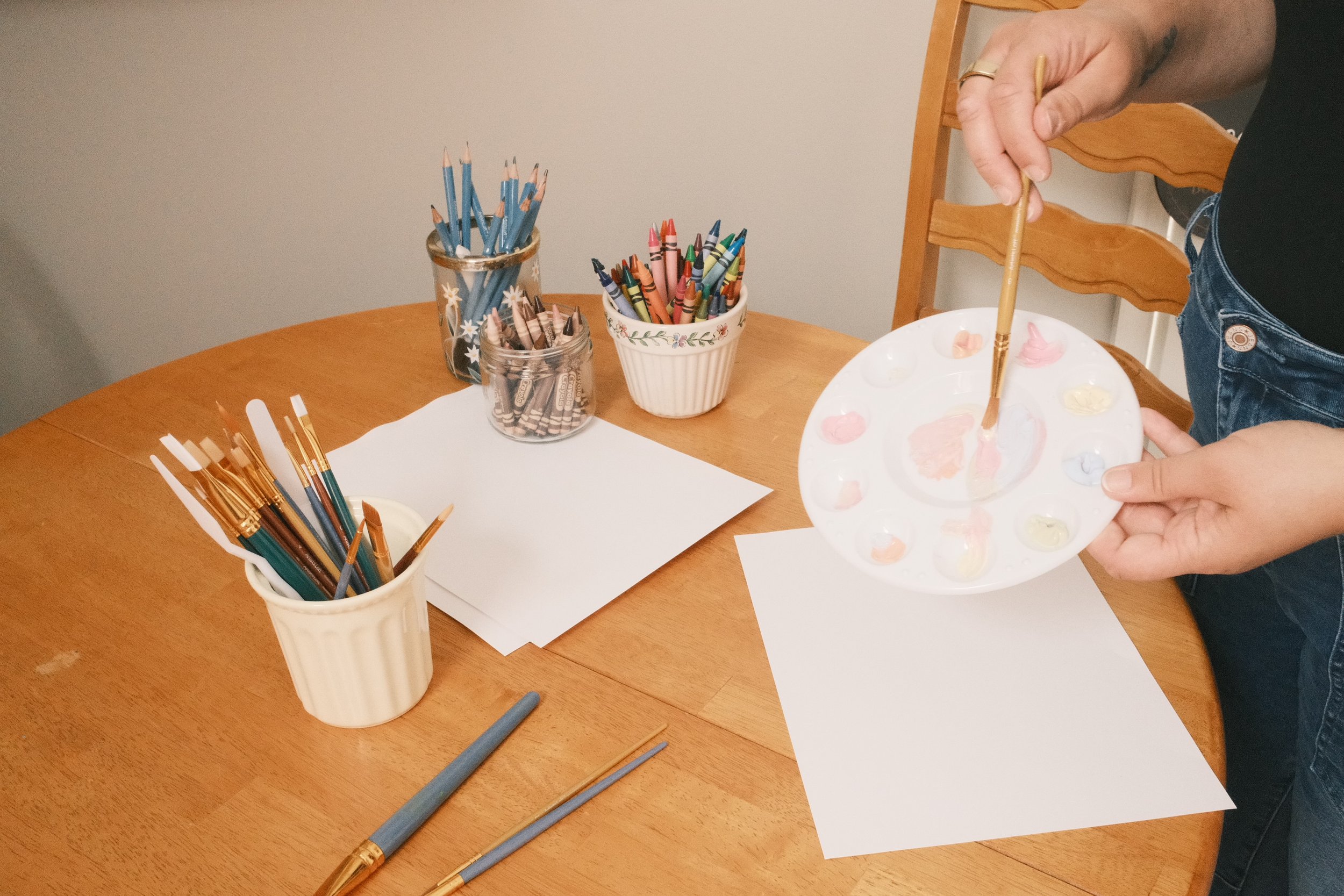
If you choose to make art, I will provide you with material. You might choose to draw, paint, sculpt, or engage in any other creative process. Your therapist may provide prompts or themes, or encourage you to express themselves freely.
During the art-making, your therapist can be there to just witness your process, or even collaborate or make art together. And the art-making process can look very silent, or quite talkative, depending on the session.
3
Once you have created your art we will take time to process what you created. You make meaning out of what you create. Your therapist will not analyze your art, but listened to what you see. Your therapist will ask your thoughts or feelings that came up during the process, and what the artwork might symbolize or reveal about your inner world.
Your therapist will help you process the insights gained from the artwork. This may involve exploring how the themes in the artwork relate to your life, emotions, or experiences. The goal is to integrate these insights into a broader understanding of the your issues or experiences.
My Approach to Art Therapy
At Creative Path to Healing, art therapy is integrated into a trauma-informed, supportive approach.
I may combine art therapy with:
EMDR-informed therapy
Internal Family Systems (IFS)
Somatic and mindfulness-based practices
This allows us to explore your experiences in a way that feels both grounding and meaningful—without forcing anything before you’re ready.

If You’re Feeling Unsure…
It’s completely normal to feel hesitant—especially if you haven’t engaged with art in a long time.
You don’t need experience, creativity, or any specific skill.
You just need a willingness to be curious.